Buy zambeza.be ?
We are moving the project
zambeza.be .
Are you interested in purchasing the domain
zambeza.be ?
domain@kv-gmbh.de · 0541-91531010
Buy zambeza.be ?
What are inner ear problems?
Inner ear problems refer to a range of conditions that affect the inner ear, which is responsible for hearing and balance. These problems can include infections, inflammation, or damage to the delicate structures within the inner ear. Symptoms of inner ear problems can include dizziness, vertigo, hearing loss, and ringing in the ears. Inner ear problems can be caused by a variety of factors, including infections, head trauma, genetic predisposition, and age-related changes. Treatment for inner ear problems depends on the specific condition and may include medication, physical therapy, or surgical intervention. **
How does the inner ear heal?
The inner ear can heal through a process called regeneration. This process involves the repair and replacement of damaged sensory hair cells and nerve fibers within the inner ear. Stem cells within the inner ear can differentiate and develop into new sensory hair cells, helping to restore hearing function. Additionally, the body's natural healing mechanisms, such as inflammation and the production of new cells, can also contribute to the healing of the inner ear. However, the extent of healing and the success of regeneration can vary depending on the severity and type of damage to the inner ear. **
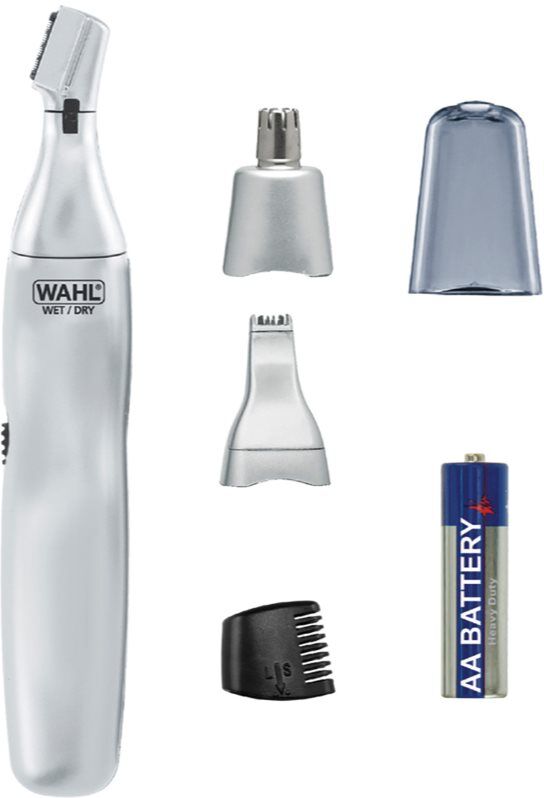

Similar search terms for Inner ear
Top-Angebote
Products related to Inner ear:
-
Why does the inner ear not stop bleeding?
The inner ear does not stop bleeding easily because it is a highly vascularized area, meaning it has a rich blood supply. This makes it more prone to bleeding and can make it difficult for the bleeding to stop on its own. Additionally, the delicate structures and small spaces within the inner ear can make it challenging for the body to naturally clot and stop the bleeding. In some cases, medical intervention may be necessary to address bleeding in the inner ear. **
-
Can the inner ear shell not be removed?
The inner ear shell, also known as the cochlea, is a delicate and essential part of the inner ear responsible for hearing. It is not designed to be removed from the body, as it is a permanent and vital structure for auditory function. Attempting to remove the inner ear shell could result in severe damage to the delicate structures of the inner ear and lead to permanent hearing loss or other complications. Therefore, it is not recommended to attempt to remove the inner ear shell. **
-
Why doesn't water enter the inner ear when diving?
Water doesn't enter the inner ear when diving because of the presence of the eardrum, a thin membrane that separates the outer ear from the middle ear. The eardrum acts as a barrier that prevents water from entering the inner ear. Additionally, the Eustachian tube, which connects the middle ear to the back of the throat, helps regulate pressure in the ear and can also prevent water from entering. Proper equalization techniques, such as swallowing or yawning, can help maintain pressure balance and prevent water from entering the inner ear during diving. **
-
Why does no water enter the inner ear when diving?
When diving, the Eustachian tube in the ear helps to equalize the pressure between the middle ear and the outside environment. This tube opens and closes to allow air to flow in and out, preventing water from entering the inner ear. Additionally, the ear canal is designed to protect the delicate structures of the inner ear from water, helping to maintain proper hearing and balance. **
Is it bad that the inner ear is very painful?
Yes, it is concerning if the inner ear is very painful as it could be a sign of an underlying issue such as an infection, injury, or inflammation. It is important to seek medical attention if you are experiencing severe pain in the inner ear as it can impact your hearing and overall health. Ignoring the pain could lead to complications and further damage to the ear. **
Why does no water enter the inner ear while diving?
Water does not enter the inner ear while diving because the eardrum acts as a barrier, preventing water from entering the delicate structures of the inner ear. Additionally, the Eustachian tube helps to equalize pressure between the middle ear and the outside environment, further protecting the inner ear from water entry. The body's natural defense mechanisms work together to maintain the integrity of the inner ear and prevent damage or infection. **
Top-Angebote
Products related to Inner ear:
-
ípuro Air Sonic Inner Peace huile parfumée aux huiles essentielles 30 mlípuro Air Sonic Inner Peace, 30 ml, Huiles essentielles Parfum d'ambiance, Vous pouvez dorénavant changer l’odeur de votre maison aussi souvent que vous le souhaitez. L'huile parfumée ípuro Air Sonic Inner Peace est spécialement conçue dans ce but. Tout ce dont vous avez besoin, c'est de quelques gouttes de sa douce fragrance aromatique. Elle se diffusera progressivement, parfumera l'ensemble de vos pièces et caressera chacun de vos sens. Composition du produit : aux huiles essentielles Mode d’emploi : Versez plus ou moins d’huile en fonction de l'intensité de parfum que vous souhaitez obtenir dans la pièce. La durée de diffusion du parfum dépend de la température, du degré de ventilation et de l'endroit d'où vous laissez se diffuser l'huile.7,00 €*Shipping: 3,45 €Secure redirect to the provider
-
What are inner ear problems?
Inner ear problems refer to a range of conditions that affect the inner ear, which is responsible for hearing and balance. These problems can include infections, inflammation, or damage to the delicate structures within the inner ear. Symptoms of inner ear problems can include dizziness, vertigo, hearing loss, and ringing in the ears. Inner ear problems can be caused by a variety of factors, including infections, head trauma, genetic predisposition, and age-related changes. Treatment for inner ear problems depends on the specific condition and may include medication, physical therapy, or surgical intervention. **
-
How does the inner ear heal?
The inner ear can heal through a process called regeneration. This process involves the repair and replacement of damaged sensory hair cells and nerve fibers within the inner ear. Stem cells within the inner ear can differentiate and develop into new sensory hair cells, helping to restore hearing function. Additionally, the body's natural healing mechanisms, such as inflammation and the production of new cells, can also contribute to the healing of the inner ear. However, the extent of healing and the success of regeneration can vary depending on the severity and type of damage to the inner ear. **
-
Why does the inner ear not stop bleeding?
The inner ear does not stop bleeding easily because it is a highly vascularized area, meaning it has a rich blood supply. This makes it more prone to bleeding and can make it difficult for the bleeding to stop on its own. Additionally, the delicate structures and small spaces within the inner ear can make it challenging for the body to naturally clot and stop the bleeding. In some cases, medical intervention may be necessary to address bleeding in the inner ear. **
-
Can the inner ear shell not be removed?
The inner ear shell, also known as the cochlea, is a delicate and essential part of the inner ear responsible for hearing. It is not designed to be removed from the body, as it is a permanent and vital structure for auditory function. Attempting to remove the inner ear shell could result in severe damage to the delicate structures of the inner ear and lead to permanent hearing loss or other complications. Therefore, it is not recommended to attempt to remove the inner ear shell. **
Similar search terms for Inner ear
-
Why doesn't water enter the inner ear when diving?
Water doesn't enter the inner ear when diving because of the presence of the eardrum, a thin membrane that separates the outer ear from the middle ear. The eardrum acts as a barrier that prevents water from entering the inner ear. Additionally, the Eustachian tube, which connects the middle ear to the back of the throat, helps regulate pressure in the ear and can also prevent water from entering. Proper equalization techniques, such as swallowing or yawning, can help maintain pressure balance and prevent water from entering the inner ear during diving. **
-
Why does no water enter the inner ear when diving?
When diving, the Eustachian tube in the ear helps to equalize the pressure between the middle ear and the outside environment. This tube opens and closes to allow air to flow in and out, preventing water from entering the inner ear. Additionally, the ear canal is designed to protect the delicate structures of the inner ear from water, helping to maintain proper hearing and balance. **
-
Is it bad that the inner ear is very painful?
Yes, it is concerning if the inner ear is very painful as it could be a sign of an underlying issue such as an infection, injury, or inflammation. It is important to seek medical attention if you are experiencing severe pain in the inner ear as it can impact your hearing and overall health. Ignoring the pain could lead to complications and further damage to the ear. **
-
Why does no water enter the inner ear while diving?
Water does not enter the inner ear while diving because the eardrum acts as a barrier, preventing water from entering the delicate structures of the inner ear. Additionally, the Eustachian tube helps to equalize pressure between the middle ear and the outside environment, further protecting the inner ear from water entry. The body's natural defense mechanisms work together to maintain the integrity of the inner ear and prevent damage or infection. **
* All prices are inclusive of VAT and, if applicable, plus shipping costs. The offer information is based on the details provided by the respective shop and is updated through automated processes. Real-time updates do not occur, so deviations can occur in individual cases. ** Note: Parts of this content were created by AI.